What Is Multimodal AI? Explained Simply
Multimodal AI can look at a photograph and reason about it in plain language. Here is what that actually means, and why it is the thing making tools like Raven possible.
Short answer
Multimodal AI describes a single model trained on images and text together, so both live in one shared representation instead of being passed between a vision system and a language system. Google Gemini, the model behind Raven, works this way, which is why it can look at a photograph and explain its reasoning in ordinary sentences.
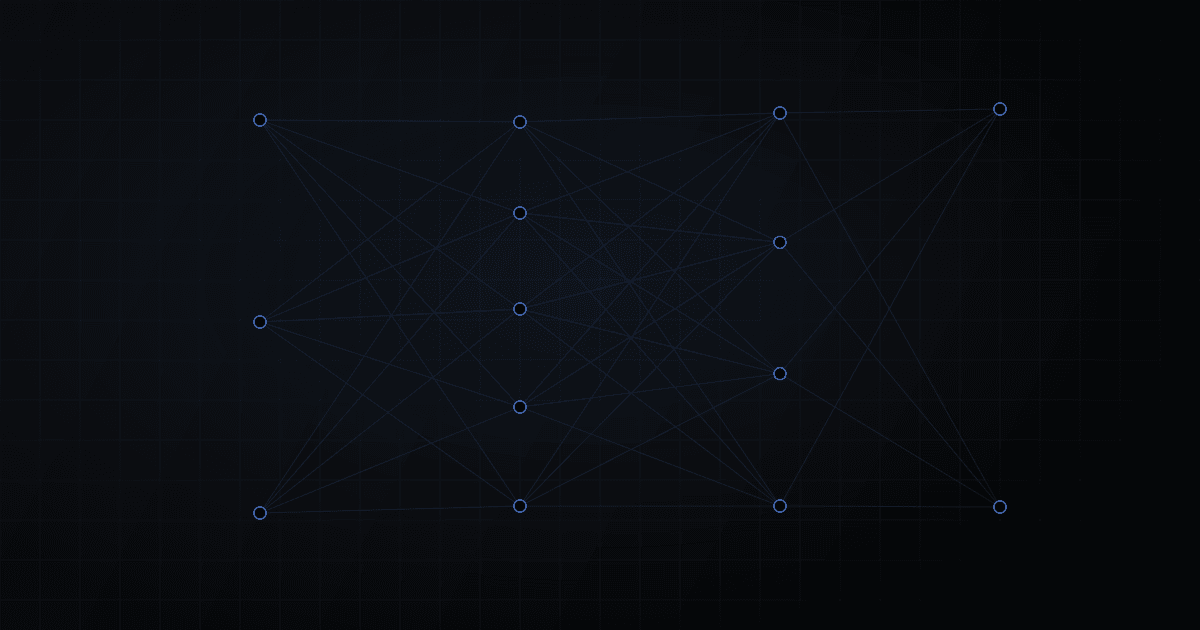
Multimodal AI sounds like a phrase built to make a simple idea sound complicated, but the concept underneath is genuinely plain. It means a model that can take in more than one kind of input, usually text and images and sometimes audio or video, and reason across all of them at once, in the same conversation, using the same underlying machinery. Hand such a model a photograph and a question together and it responds to both as a single connected thought rather than as two separate jobs.
That distinction, one system reasoning across senses rather than several specialists passing notes to each other, is the whole story of why this generation of tools feels different from what came before it.
What is multimodal AI?
A model trained on more than one kind of data at the same time, so that pictures and words end up in one shared internal space. Because both live in the same representation, the model can be asked an open question about an image and answer in ordinary prose.
The formal term is multimodal learning, and the important word in it is learning rather than combining. An older pipeline combined: one component labelled the objects, another wrote a sentence from the labels, and neither had any understanding of the other's job. A multimodal model is trained on the two kinds of data together from the beginning, so a visual concept and the words for it are neighbours in the same space rather than strangers introduced at the last minute.
The practical consequence is flexibility. A system trained to answer one question can answer only that question. A model that holds pictures and language in one representation can be asked something nobody planned for, including questions its designers never wrote code for, and will attempt an answer in sentences.
How is it different from older single-purpose models?
Older systems were narrow specialists: a classifier could say there was a dog in the frame and nothing more, and a language model could write fluently without seeing anything at all. Joining them required a hand-built pipeline. A multimodal model removes the join.
For most of the 2010s the state of the art was a classifier. ImageNet, with its more than 14 million annotated photographs, defined the era: the task was to pick the right label from a fixed list, and progress meant picking it more often. That is genuinely useful and completely inflexible. The list is the ceiling. Ask such a system what the light suggests about the season and it has no way to represent the question, let alone answer it.
- Single-purpose vision models answer one narrow question well, cannot explain their reasoning, and cannot connect what they see to anything outside the picture.
- Single-purpose language models write, summarise and reason fluently in text, but process no image at all; they work only from whatever somebody has already described in words.
- Older combined pipelines stitched the two together, so everything the vision half failed to label was invisible to the language half, and the errors compounded silently down the chain.
- Multimodal models take an image and an open-ended question together and answer in the same flexible way a language model handles a written one, because the picture is another input to the same system rather than a translation step.
How does a model read an image at all?
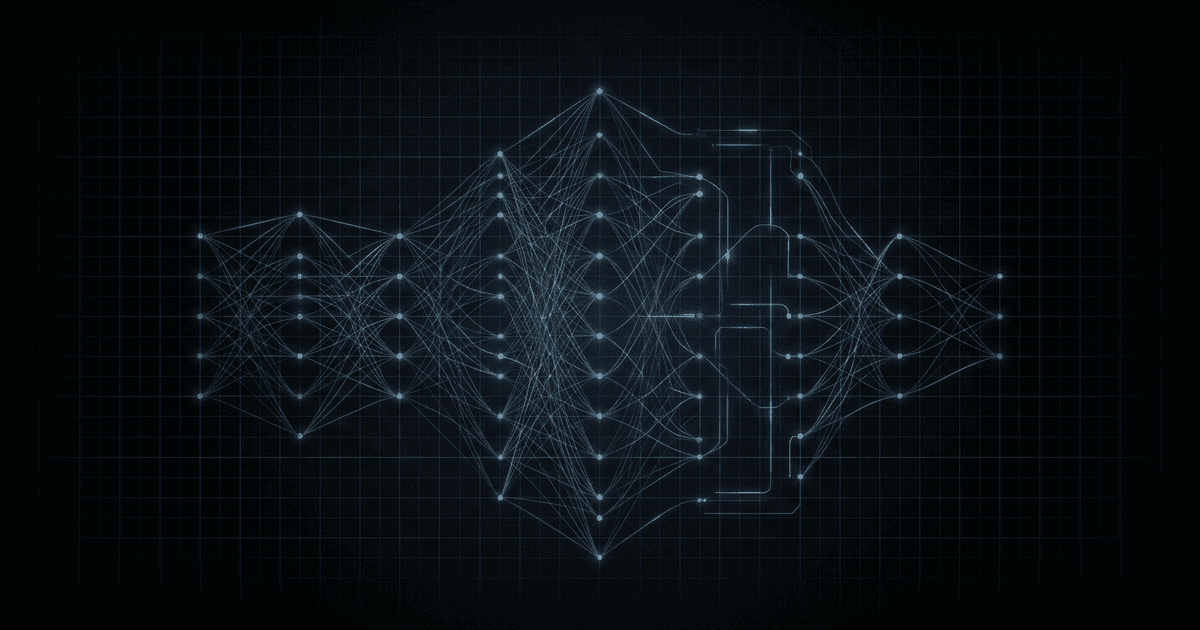
It cuts the picture into a grid of small patches, turns each patch into a vector of numbers, and treats that sequence rather like a sentence. The same attention machinery that relates words to each other then relates parts of the image to each other and to your question.
The step that made this possible was borrowing the architecture of language models for pictures. The vision transformer, introduced in 2020, chopped an image into fixed tiles, commonly 16 by 16 pixels, flattened each into a vector, and fed the sequence to the same kind of network that had been processing words since 2017. Once an image is a sequence and a sentence is a sequence, there is no architectural reason to keep them apart.
That is why a modern model can hold a relationship between a scrap of text in the corner of a photograph and the roofline above it. Older stacks needed a separate optical character recognition pass to notice the writing at all, and the result arrived as a bare string with no idea where in the scene it had come from. Now the lettering, its position, its typeface and the wall it is painted on are all part of one representation.
What does multimodal reasoning look like on a photograph?
It looks like a chain of small observations that check each other: a roof pitch, a plant, the script on a sign, the side of the road the traffic is on. The model weighs them against one another in a single pass and reports the region where they overlap.
Picture handing a photograph to a well-travelled friend and asking, out loud, where do you think this was taken and why. They do not process the picture and the question separately. They glance at the roofline, notice the road markings, register the plants at the edge of the frame and weave the lot into one spoken chain of reasoning. That is roughly what a multimodal model is built to imitate, and it is why the explanation it produces is often more interesting than the pin on the map. The clue-by-clue version of that process is set out in how an image model reads a photograph.
The cross-checking is the part that matters. A steeply pitched roof with deep eaves is consistent with heavy snowfall, and the shape of those rooflines is a field of study in its own right, catalogued in the field guide to roofs and rooflines. On its own it narrows the answer to a climate band. Put it beside a legible sign in a particular alphabet and a number plate of a particular proportion and the three together do what none of them could do alone. This is also what makes near-identical neighbours tractable, the problem examined in telling neighbouring countries apart.
Where does the approach fall short?
It reports what is statistically likely rather than what is verifiably true, has no way to check itself against the world, and describes an unusual scene with the same fluency as an ordinary one. Confident prose is a property of the format, not evidence of accuracy.
A multimodal model has no separate faculty for doubt. The same process that produces a correct reading produces a plausible wrong one, in the same measured tone, which is why a themed replica street or a heavily graded photograph can lead it far astray. It also inherits whatever is uneven in its training data, so heavily photographed places are described with more confidence than sparsely photographed ones. That bias, and how it differs from the way people guess, is the subject of why humans and AI guess locations differently.
Why does this matter for a tool like Raven?
Because open-ended visual reasoning is exactly the capability a photo-location guess needs. Raven sends the picture and the instruction to Google Gemini in one request and receives a region plus a short explanation; without a multimodal model there would be labels and no judgement.
When you upload a photograph to Raven it is passed, in memory, to Gemini, which reads the architecture, vegetation, road markings, signage and dozens of smaller details in the frame and weighs them together, the way a well-travelled person might squint at a picture and narrow the region out loud. The image is never written to disk, and the result is an entertainment-only estimate that can be wrong. The full pipeline is described in the tech behind Raven.
None of this is mysterious under the hood. There is no hidden database of photographs, no reverse image search and no location metadata being harvested; there is one request in which a model looks at an image and reasons about it from the pixels alone. Multimodal capability is still fairly recent, and it remains quietly satisfying to watch: hand it a picture with no caption at all, and it talks about what it sees the way a person would.
Geospy AI puts the same multimodal reasoning in your pocket, free on iOS.
Get the app →If you want to feel the difference between labelling and reasoning, try asking about something no label could cover: what season is this, what does the light suggest about the hour, what kind of climate grows that tree. The answers will not always be right, but the fact that the question can be asked at all is the whole of what changed.
Frequently asked questions
- Is multimodal the same as image recognition?
- No. Image recognition assigns labels from a fixed list, such as dog or bicycle. A multimodal model takes an open-ended question alongside the picture and answers in free text, which means it can be asked something its makers never anticipated.
- Does a multimodal model actually see?
- Not in any human sense. It converts the image into a sequence of numeric vectors and processes them alongside the words of your question. The useful comparison is not eyesight but reading: the picture becomes something the model can attend to, sentence by sentence.
- Which parts of Raven use a multimodal model?
- All of the analysis. The uploaded photograph and the instruction are sent to Google Gemini together in a single request, and the reply comes back as text that Raven turns into a location guess and a short explanation.
- Can a multimodal model be wrong about what it sees?
- Frequently. It describes what is statistically likely given everything it has learned, so an unusual scene, a staged replica or a heavily edited photograph can produce a fluent, confident and entirely mistaken description.
Sources
- Multimodal learning — WikipediaOverview of training one model across several data types, the idea underlying every current vision-and-language system.
- Vision transformer — WikipediaThe 2020 architecture that cut an image into fixed patches, commonly 16 by 16 pixels, and fed them to a transformer as if they were words.
- ImageNet — WikipediaMore than 14 million hand-annotated images, the dataset that defined the narrow label-the-object era this article contrasts with.
- Optical character recognition — WikipediaThe separate specialist step that older pipelines needed for text in pictures, and which a multimodal model folds into the same pass.
Reminder
Raven is built for entertainment and curiosity. Its guesses are AI estimates that can be wrong, and it must never be used to track or identify real people. Uploaded photos are processed in memory and immediately discarded — never stored.